BhairabKunda Nepal
 Sindhupalchok, Nepal
- 0 reviews
-
About
BhairabKunda is a sacred glacial lake in Sindhupalchowk, Nepal, near the Tibetan border at 4,200 meters. Revered by Hindus and Buddhists, it’s famed for its turquoise waters, Janai Purnima festival, and serene Himalayan views. The BhairabKunda trek offers pristine nature, Tamang culture, and rare spiritual tranquility in the Jugal Himal region.
Locate Us
Nearby Attractions
Perched high in the Sindhupalchowk District of Nepal, near the Tibetan border, BhairabKunda Nepal is one of those rare Himalayan destinations where spirituality and raw natural beauty merge into a single, unforgettable experience. Situated at an altitude of about 4,200 meters, this glacial lake is revered by both Hindus and Buddhists.
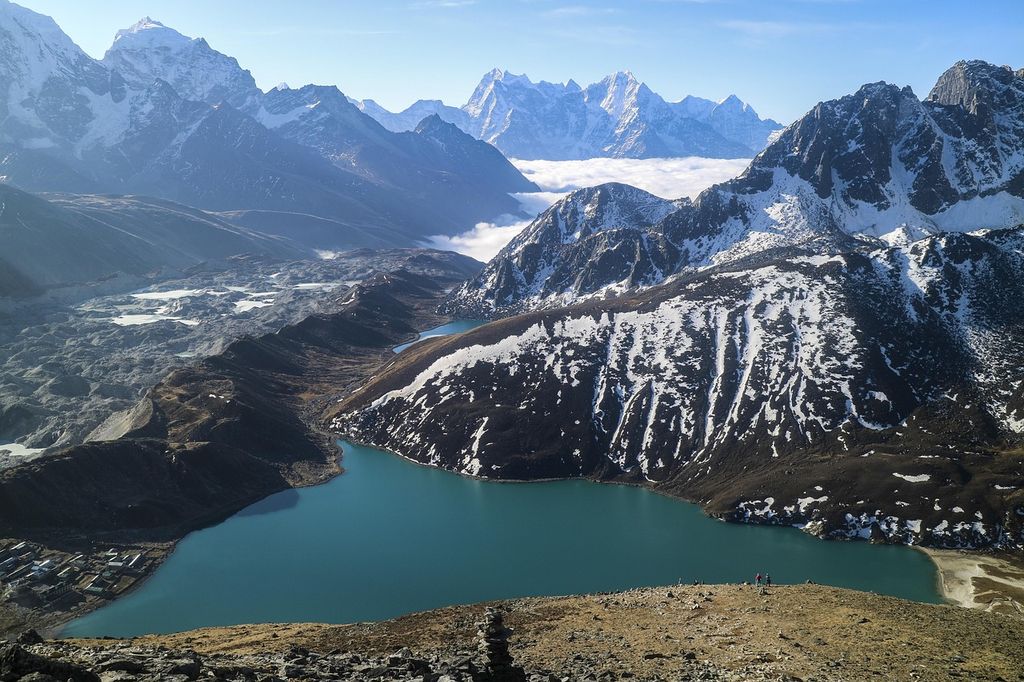
The name “BhairabKunda” comes from Lord Bhairab, a fierce manifestation of Lord Shiva, and Kunda, meaning sacred pond. According to locals, taking a holy dip in Bhairab Kunda lake cleanses one’s sins and brings divine blessings. Every summer, thousands of pilgrims and trekkers alike ascend the rugged trails to witness its shimmering turquoise waters surrounded by snow-capped peaks of the Jugal Himal range.
Beyond its spiritual magnetism, BhairabKunda Nepal is also a hidden gem for adventure seekers. The BhairabKunda trek offers a journey through pristine forests, remote Tamang villages, and high-altitude pastures, leading finally to a world of silence where the lake mirrors the sky. It’s a destination that captures both devotion and discovery in one breathtaking setting.
History, Legends & Spiritual Significance
Every rock, prayer flag, and echoing bell around Bhairab Kunda carries a legend. According to Hindu mythology, Lord Shiva created this lake after striking the ground with his trident to calm his fiery form of Bhairab. The lake thus became a symbol of transformation — from rage to peace, from destruction to creation.
Origin Stories & Local Beliefs
Villagers tell stories of sages meditating by the lake centuries ago. Some say that the lake’s waters never freeze completely because they hold divine energy. The surrounding cliffs are believed to bear the footprint of Bhairab himself.
For Buddhists, the lake is equally sacred. Monks from nearby monasteries often visit during summer to offer prayers and spin prayer wheels as part of purification rituals. This shared reverence makes BhairabKunda Nepal a beautiful example of harmony between two great faiths.
Festivals & Pilgrimage
The biggest event here is during Janai Purnima (usually in August), when hundreds of devotees and monks trek to the lake to bathe in its icy waters. They carry prayer flags, chant mantras, and perform offerings of incense and flowers. Locals set up temporary camps, and the otherwise silent valley transforms into a colorful spiritual fair.
To witness Janai Purnima at Bhairab Kunda lake is to glimpse the living spirituality of the Himalayas — raw, emotional, and deeply connected to nature.
Natural Beauty & Surrounding Landscape
Beyond its spiritual aura, BhairabKunda Nepal enchants travelers with untouched landscapes that change dramatically as you climb. Starting from lush river valleys at around 1,000 m, the BhairabKunda trek leads through rhododendron forests, bamboo groves, and rocky alpine meadows before revealing the icy, azure expanse of the lake itself.
The Lake and the Waterfall
The main attraction, Bhairab Kunda lake, lies in a hollow surrounded by ridges of rock and snow. Its crystal-clear water reflects the peaks of Dorje Lakpa, Jugal Himal, and Panchpokhari range. Just below the lake tumbles a dramatic 198-meter waterfall, often hidden in mist. The sound of rushing water fills the valley — a constant hymn of nature.
Flora, Fauna & Conservation
Trekkers often pass through forests teeming with life — rhododendrons, magnolias, and Himalayan oaks dominate the lower slopes. As altitude rises, the vegetation thins, replaced by shrubs and mosses that cling to rock and snow. Wildlife here includes red pandas, Himalayan black bears, langurs, and rare Danphe pheasants.
Efforts by local communities and conservation groups aim to preserve this fragile ecosystem. Visitors are encouraged to trek responsibly, using reusable bottles, carrying back waste, and staying in eco-friendly lodges where available.
Trekking & How to Get There
Getting to the Trailhead
The journey to BhairabKunda Nepal begins with a five-to-six-hour drive from Kathmandu along the Arniko Highway toward the border town of Larcha or Bhotekoshi. The drive itself is scenic, following the Bhote Koshi River with glimpses of terraced fields and hillside villages.
The BhairabKunda Trek Route
From Larcha, the real adventure begins. The BhairabKunda trek is typically completed in 6–8 days, depending on pace and acclimatization needs. The trail passes through several traditional settlements like:
- Daklang Phedi (1,700 m) – starting point surrounded by forest.
- Kaklang Village (2,500 m) – home to friendly Tamang families.
- Listimai (3,100 m) – offers the first glimpse of snow peaks.
- Bhairab Kunda Base Camp (4,000 m) – a serene camp just below the lake.
The final stretch climbs steeply but rewards trekkers with magnificent views of the Jugal Himal and the sacred lake glimmering under the open sky.
Permits & Requirements
No special restricted-area permit is required, but trekkers should register with the Trekking Information Management System (TIMS) and check local conditions through the Nepal Tourism Board. Hiring a local guide supports community income and ensures safety on these lesser-known trails.
Things to Do at BhairabKunda Nepal
Even though BhairabKunda Nepal is primarily known for its religious and natural beauty, there’s plenty for travelers to experience beyond the lake itself. From spiritual immersion to high-altitude exploration, every moment feels like an encounter with the divine wilderness of the Himalayas.
1. Join the Pilgrimage Rituals
Visiting Bhairab Kunda lake during the Janai Purnima festival (usually in August) is an experience unlike any other. Pilgrims trek from all corners of Nepal to bathe in the icy water — a sacred act believed to wash away sins and bring blessings from Lord Bhairab.
Devotees light butter lamps, raise prayer flags, and chant mantras, creating a moving harmony of faith and celebration. Even if you’re not a pilgrim, witnessing this ritual is deeply humbling — a glimpse of Nepal’s ancient traditions alive amid the high mountains.
2. Trekking & Side Trails
For adventure enthusiasts, the BhairabKunda trek itself is the highlight. The trail isn’t overly commercialized, giving trekkers a sense of solitude rarely found on other Himalayan routes. The changing landscapes — from subtropical valleys to icy ridges — offer new scenery each day.
Some travelers also extend their journey toward Panch Pokhari or Jalbire, creating a longer circuit within the Jugal Himal range. These side treks add both challenge and diversity for those seeking more than the main route.
3. Photography & Nature Walks
With its pristine alpine lakes, cascading waterfalls, and snow-capped peaks, BhairabKunda Nepal is a photographer’s paradise. The reflections of white clouds on the lake’s surface, especially during early morning or sunset, create magical scenes.
Along the trail, rhododendron forests burst into color in spring, while autumn brings crystal-clear skies perfect for landscape shots. Wildlife enthusiasts might even catch glimpses of rare Himalayan species in the surrounding conservation areas.
4. Cultural Interaction
As you trek through Tamang and Sherpa villages like Kaklang and Listimai, you’ll encounter a way of life that remains rooted in tradition. Locals are known for their warm hospitality — a simple cup of butter tea offered by a villager can quickly turn into a story-sharing session about the mountains and the gods that guard them.
Staying overnight in community-run lodges or homestays allows you to contribute directly to the local economy while experiencing Nepal’s rural charm firsthand.
Best Time to Visit BhairabKunda Nepal
Like many high-altitude destinations, the best time to visit BhairabKunda Nepal depends on what you’re looking for — clear skies, cultural festivals, or solitude amid snow. However, spring (March–May) and autumn (September–November) are generally the most favorable seasons.
Spring (March–May)
Spring is when the entire trekking region comes alive with blooming rhododendrons, pleasant temperatures, and vibrant greenery. This is also the ideal time for photography, as the light is soft and the skies are generally clear. The lake’s icy layer begins to melt, revealing shades of turquoise and blue that shift with the sunlight.
Wildflowers along the BhairabKunda trek trail make the hike especially rewarding, and you can often spot Himalayan birds and butterflies during this time.
Autumn (September–November)
Autumn is the peak trekking season in Nepal and a great time to experience Bhairab Kunda lake in all its glory. After the monsoon rains, the air is crisp and visibility is excellent, offering unobstructed views of the Jugal Himal and Dorje Lakpa peaks.
Many pilgrims also plan their visit around Janai Purnima, when cultural activity peaks and local communities come alive with celebration and rituals.
Winter & Monsoon
Visiting during winter (December–February) is possible but challenging. Snowfall makes trails slippery and cold winds can drop temperatures below freezing, especially near the lake. However, those who venture during this time enjoy solitude and a dreamlike frozen landscape.
Monsoon (June–August), on the other hand, brings heavy rain, leeches, and landslides — not ideal for trekking. Yet, if timed well, this is when BhairabKunda Nepal celebrates its biggest spiritual festival, attracting pilgrims braving the weather to honor their faith.
Accommodation & Local Community Stay
Since the BhairabKunda trek passes through remote areas, accommodation options are modest but meaningful. Trekkers typically stay in local homestays, teahouses, or temporary camps managed by villagers during peak seasons.
Homestays & Local Hospitality
In villages like Kaklang, Listimai, and Daklang Phedi, families open their homes to travelers. Expect simple but hearty meals — rice, lentils, local vegetables, and yak butter tea. The warmth of the people more than compensates for the basic facilities.
These stays also allow travelers to learn about Tamang culture, traditional architecture, and the close connection between locals and their surrounding environment. Evenings often involve storytelling, music, and laughter shared around a fire.
Camping at BhairabKunda Lake
For those seeking a more adventurous experience, camping near the lake is an unforgettable option. Trekkers often set up tents near Bhairab Kunda lake under the vast Himalayan sky. The view of sunrise over the water, with golden light illuminating the ridges, is simply surreal.
However, temperatures can plummet at night, so proper gear is essential. Always practice eco-friendly camping — carry out all waste, avoid using firewood, and respect the sanctity of this sacred site.
Facilities & Essentials
The route remains undeveloped compared to popular trekking circuits like Annapurna or Langtang. There are few shops or medical posts, so trekkers should bring:
- Water purification tablets or filters
- Warm layers and sleeping bags rated for –10°C
- Portable chargers or solar power banks
- Snacks and basic first aid supplies
Being self-sufficient not only ensures safety but also preserves the purity of the region by reducing dependency on limited local resources.
Travel Tips for Visiting BhairabKunda Nepal
A trip to BhairabKunda Nepal is more than just a trek — it’s a spiritual and emotional experience that rewards preparation and respect. Before setting off, keep these essential travel tips in mind.
Permits and Entry Requirements
Although the BhairabKunda trek lies outside restricted zones, trekkers still need to register with the Trekking Information Management System (TIMS) through a licensed trekking agency or the Nepal Tourism Board. This helps track visitors and enhances safety in case of emergencies.
There’s currently no separate permit for the Bhairab Kunda lake region, but always confirm local regulations before departure, as policies occasionally change.
Health and Safety
The trek reaches over 4,000 meters, so acclimatization is key. Ascend gradually and stay hydrated to avoid altitude sickness. It’s advisable to carry diamox or other altitude medication after consulting a doctor.
Mobile signals are intermittent beyond Kaklang Village, so carry a satellite communicator or inform your guide about your itinerary.
Respecting Local Culture
Remember, BhairabKunda Nepal is both a pilgrimage site and an ecosystem of spiritual value. Always remove shoes near shrines, avoid touching religious objects, and dress modestly. When taking photographs of locals or monks, ask for permission — you’ll find people generous and welcoming when approached with respect.
Sustainability & Environmental Responsibility
The lake area is pristine, and keeping it that way is every traveler’s duty. Follow Leave No Trace principles:
- Carry back all waste.
- Use refillable bottles instead of plastic.
- Avoid soaps or chemicals near the lake.
- Respect wildlife and vegetation.
Supporting local guides, staying in community lodges, and buying locally made crafts are simple ways to ensure your visit contributes positively to the region.
Challenges and Rewards of the BhairabKunda Trek
Trekking to BhairabKunda Nepal isn’t for everyone — and that’s what makes it special. It’s one of those remote Himalayan routes that tests endurance but offers serenity unmatched by more commercial treks.
Physical & Logistical Challenges
- Altitude & Terrain: The route gains more than 3,000 meters from base to summit, requiring good physical conditioning.
- Limited Facilities: Expect basic food and accommodation; luxury lodges are nonexistent.
- Weather: Conditions can change rapidly, especially near Bhairab Kunda lake. Cold winds and fog are common even in peak season.
- Remoteness: Emergency services are distant, so trekkers must be self-reliant or hire experienced guides familiar with the Jugal Himal range.
The Rewards
Yet, for every challenge, BhairabKunda Nepal offers an equal and opposite reward. The silence of the high mountains, the sight of the turquoise lake under the open sky, and the smiles of locals welcoming you with warmth — these are experiences that leave lasting imprints on the heart.
At dawn, when the first sunlight strikes the water and prayer flags flutter in the breeze, every hardship melts away. You realize why both pilgrims and trekkers describe Bhairab Kunda lake as not just a destination, but a calling.
Conclusion: A Journey Beyond Faith and Nature
To stand before Bhairab Kunda lake is to witness the heart of Nepal — pure, timeless, and profoundly spiritual. Here, in the silence of the high Himalayas, faith meets wilderness, and travelers find not just a destination, but a sense of renewal.
Unlike the crowded trekking routes, BhairabKunda Nepal remains blissfully untouched, preserving its sacred aura and natural charm. It is a place where monks’ chants echo through the wind, where snow peaks mirror themselves in turquoise waters, and where every path feels like a pilgrimage — whether spiritual or personal.
The BhairabKunda trek may demand effort, patience, and humility, but what it gives back is far greater: peace, perspective, and the unforgettable memory of walking among mountains that seem to breathe divinity.
So, if you seek a Himalayan experience that blends adventure, spirituality, and solitude, make your way to BhairabKunda Nepal — the sacred lake where heaven feels within reach.
Frequently Asked Questions (FAQs) about BhairabKunda Nepal
1. Where is BhairabKunda located?
BhairabKunda is situated in the Sindhupalchowk District of Nepal, close to the Tibetan border, northeast of Kathmandu.
2. What is the altitude of Bhairab Kunda lake?
The lake sits at approximately 4,200 meters (13,780 ft) above sea level.
3. How long is the BhairabKunda trek?
The trek usually takes 6 to 8 days, depending on the starting point and acclimatization pace.
4. Is BhairabKunda only for pilgrims?
No — while deeply spiritual, BhairabKunda Nepal welcomes both religious pilgrims and adventure trekkers seeking remote Himalayan beauty.
5. Do I need a guide for the BhairabKunda trek?
Hiring a local guide is highly recommended for navigation, cultural insight, and safety, especially since the trail is not well-marked in some sections.
6. When is the best time to visit BhairabKunda Nepal?
Spring (March–May) and Autumn (September–November) offer clear weather, blooming nature, and the most pleasant trekking conditions.
7. Can I camp near the lake?
Yes, camping is allowed near Bhairab Kunda lake, but trekkers must respect the sacred nature of the site and follow eco-friendly practices.
8. Is it safe for solo travelers?
The route is safe but remote. Solo travelers should inform local authorities or join small trekking groups for added security.