Everest Base Camp
 Solukhubu, Nepal
- 0 reviews
-
About
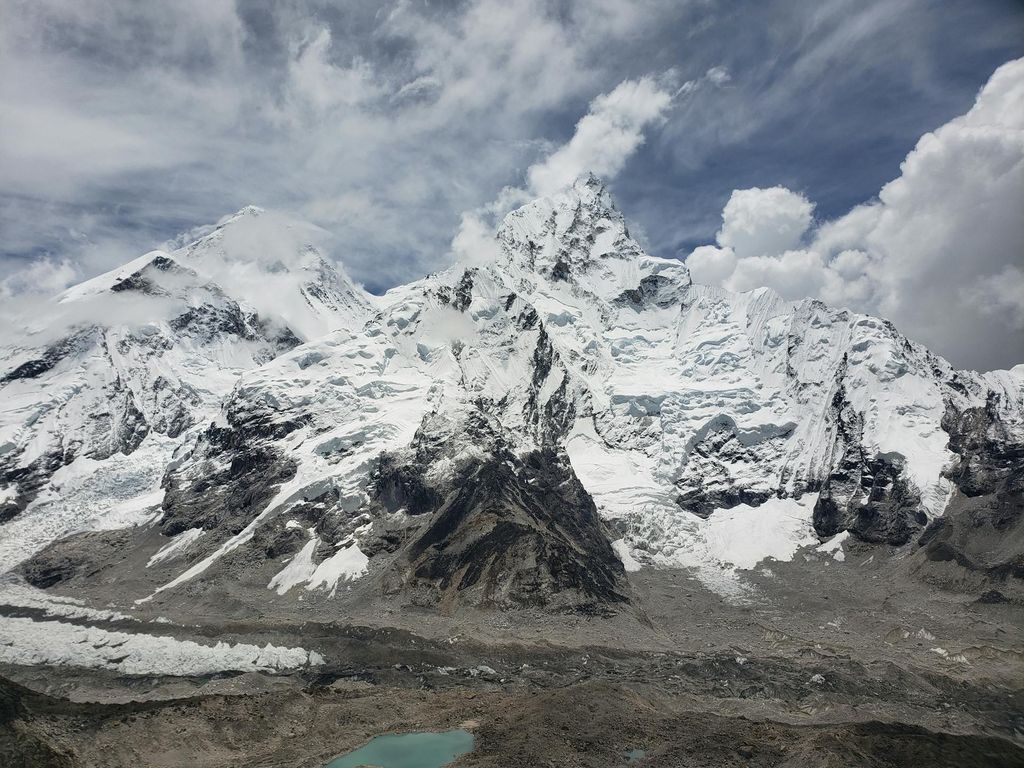
Everest Base Camp (EBC) is one of the most iconic trekking destinations in the world. Situated in the Khumbu region of Nepal, this trail offers adventurers an opportunity to get close to the world’s tallest peak, Mt. Everest. Trekking to the Everest Base Camp is not just about reaching a location; it is about experiencing the natural beauty, Sherpa culture, and the thrill of high-altitude trekking. Over the years, Everest Basecamp Trek has become synonymous with adventure tourism in Nepal.
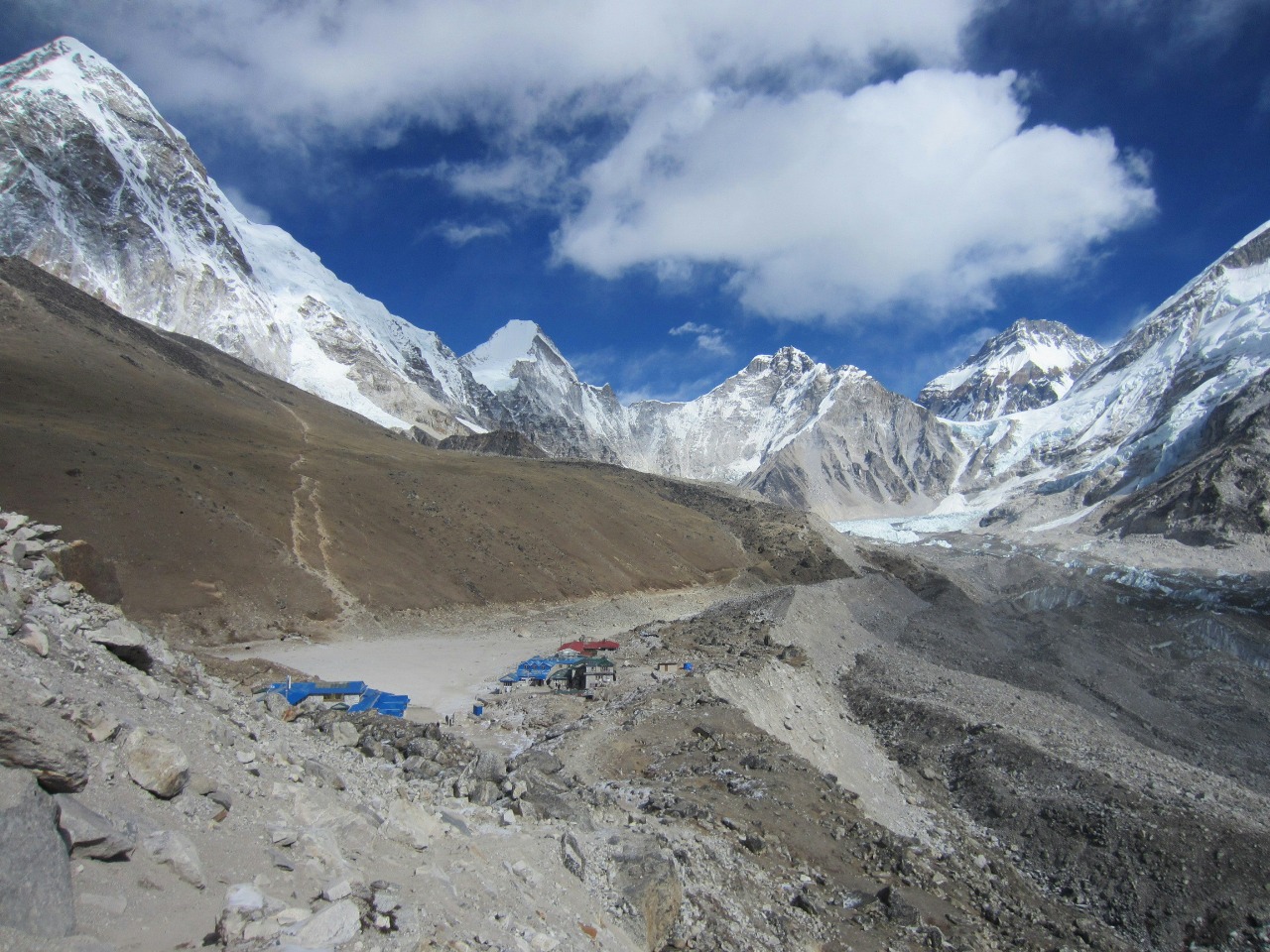
Trekking to EBC allows you to witness the majestic views of Mt. Everest Nepal, surrounded by other towering peaks like Lhotse, Nuptse, and Ama Dablam. The trek is well-structured and can be enjoyed by both novice trekkers and seasoned hikers with moderate fitness levels. Besides breathtaking landscapes, travelers also experience unique cultural encounters with the Sherpa people and their monasteries, giving a holistic Himalayan adventure.
Locate Us
Nearby Attractions
The Everest Base camp Trek is part of the larger Nepal Trek network, offering a combination of adventure, culture, and natural beauty. The trek generally spans 12–15 days, depending on acclimatization days and pace. Hikers ascend from the lower elevations of the Terai and hill regions to altitudes exceeding 5,300 meters, allowing for gradual acclimatization and minimal risk of altitude sickness.
Along the trail, trekkers pass through dense rhododendron forests, high-altitude alpine landscapes, and bustling Sherpa villages. The trail also offers panoramic views of snow-capped peaks, glaciers, and the unique Himalayan environment. The Everest Basecamp trek is considered one of the best treks in Nepal due to its accessibility, scenic beauty, and cultural richness.
Locate Us
Everest Base Camp is located in Solukhumbu district in northeastern Nepal. The trek usually begins from Lukla, which is accessible by a short flight from Kathmandu. The trail meanders through the picturesque villages of the Khumbu region, including Namche Bazaar, Tengboche, Dingboche, and Lobuche, before reaching the Base Camp.
The location of Mt. Everest Nepal is precisely on the border between Nepal and China (Tibet). However, the southern route from Nepal remains the most popular trekking path, providing accessibility, better accommodations, and richer cultural experiences. For those looking for a truly immersive Himalayan experience, trekking to the Everest Base Camp via Nepal is the recommended route.
Highlights of Everest Base Camp
Trekking to Everest Base Camp is filled with unforgettable experiences. Some of the key highlights include:
- Views of Mt. Everest Nepal: Witness the majestic Everest and surrounding peaks like Lhotse, Nuptse, and Ama Dablam.
- Sherpa Culture: Explore traditional villages and monasteries, including Tengboche Monastery, for authentic Himalayan cultural experiences.
- Khumbu Glacier: Trek along the dramatic Khumbu Glacier, one of the most famous glaciers in the world.
- Sagarmatha National Park: Encounter unique Himalayan flora and fauna in this UNESCO World Heritage Site.
- Sunrise from Kala Patthar: Enjoy breathtaking sunrise views over Everest from the iconic viewpoint Kala Patthar.
- Everest Base Camp: Experience the excitement of standing at the base of the world’s highest mountain, surrounded by icefalls and glacial landscapes.
Nearby Attractions
While trekking to Everest Base Camp, there are several nearby attractions to enhance your journey:
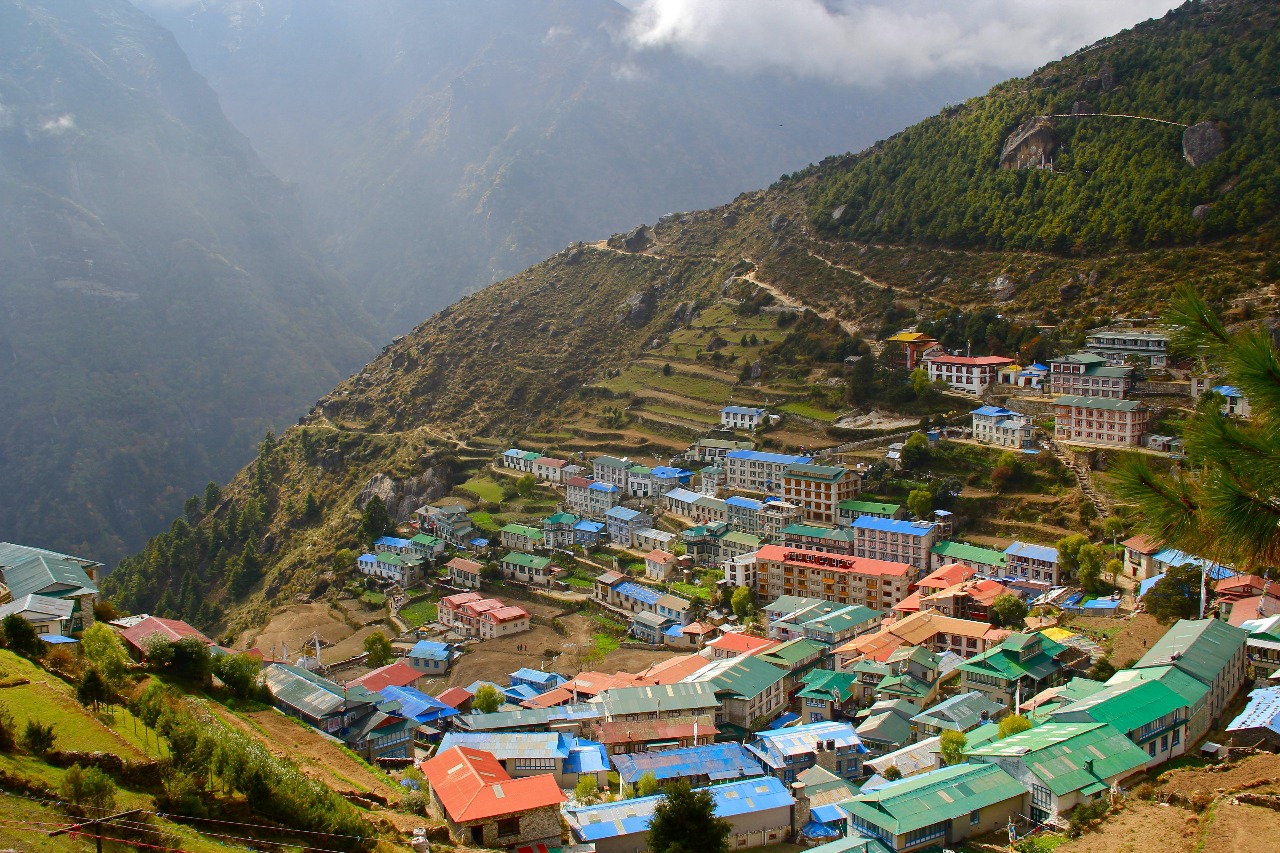
- Namche Bazaar: A vibrant Sherpa town offering local markets, cafes, and trekking gear shops.
- Tengboche Monastery: A spiritual center with panoramic mountain views, famous for its annual Mani Rimdu festival.

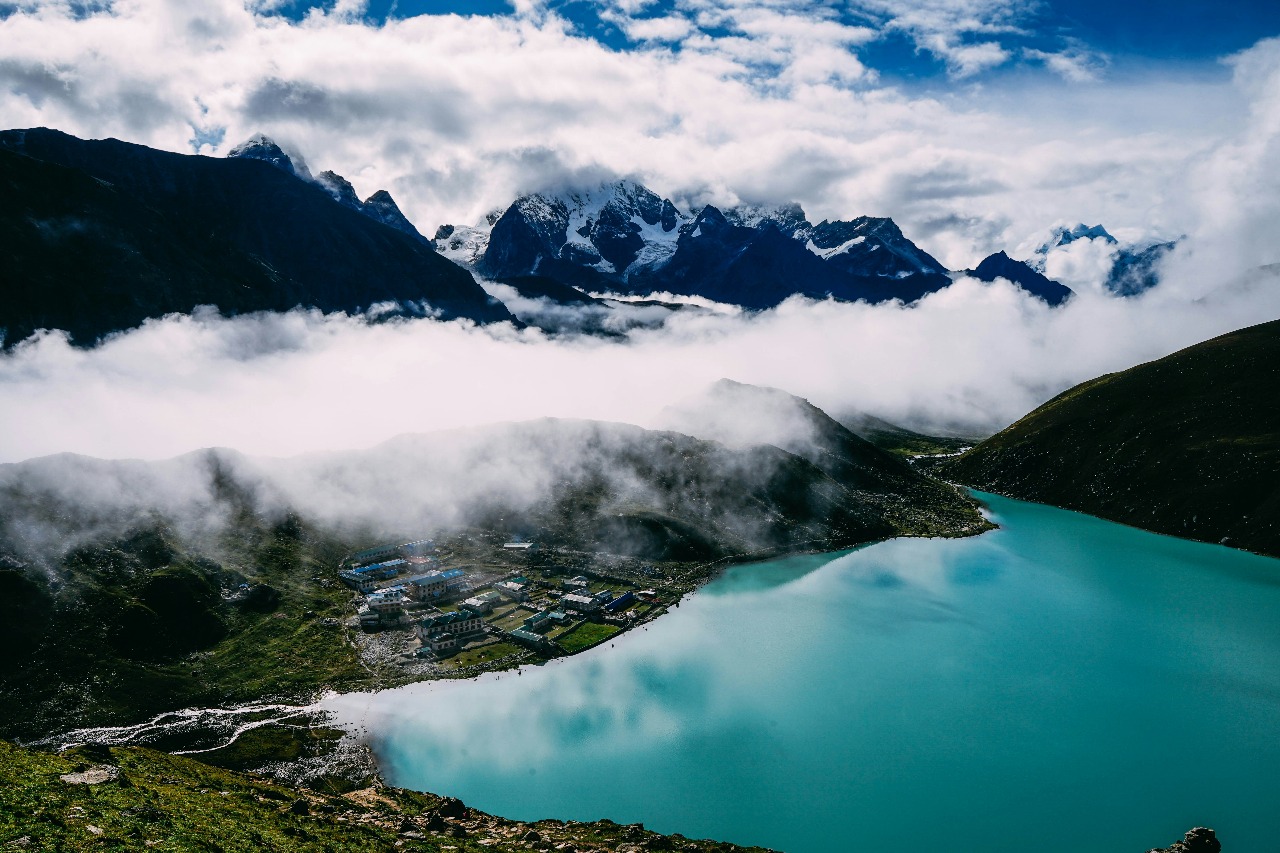
- Gokyo Lakes: Alternative trekking route providing pristine glacial lakes and fewer crowds.
- Khumbu Icefall: A challenging icefall that forms the lower part of the Everest glacier, visible from Base Camp.
Local Culture & Community Experiences
Everest Base Camp trekking has more in store than fantastic views; it provides for rich cultural immersion to the Sherpa communities. While most guides mention the Sherpa villages or Tengboche Monastery, the local lifestyle, festivals, food, and traditions must be accorded greater importance to those travelers seeking a full experience.
The Sherpa nation has occupied the high Himalayas for many centuries, building unique traditions and skill to thrive in inhospitable climes. Going along through villages like Namche Bazaar, Tengboche, and Dingboche, tourists see daily life centered on farming, trade, and mountaineering. Homes are typically made of stone, with elaborately painted prayer wheels and prayer flags facing their fronts. By remaining in local homestays, trekkers experience firsthand the hospitality, whether it is food prepared using locally sourced ingredients such as dal bhat, momos, and butter tea.
The most appealing thing about Sherpa culture is their festivals. Their Mani Rimdu festival held yearly at the Tengboche Monastery is a colorful celebration of Tibetan Buddhism. Trekkers who are present during the festival are able to watch masked dances, prayer ceremonies, and community meetings that reflect spiritual belief and cultural preservation. These offer tremendous photo opportunities, story potential, and understanding of culture.
Interacting with the Sherpas is also rewarding. Some trekkers share experiences with Sherpas about mountaineering, everyday problems, or village development projects. Some tourists even volunteer, such as assisting in school activities or maintaining trails. Being able to communicate with such experience makes the Everest trekking expedition more rewarding and helps local economies and cultural sustainability.
Most observable about Sherpa culture during the trek:
- Participation in or observations of festivals such as the Mani Rimdu.
- Sampling local food: dal bhat, butter tea, momos, and tsampa.
- Village homestay and experience of Himalayan hospitality.
- Meeting children, monks, and artisans at the location.
- Volunteering activities and eco-friendly trekking schedules.
Scenic Points & Photography Spots
While Kala Patthar and the Khumbu Glacier are favorite locales for photography, there are hundreds of scenic gems along the Everest Base Camp route. Travelers who prefer to capture their best shots have to hunt through a plethora of viewpoints and obscure locations along the trek.
The Tengboche viewpoint is also a good place for taking wide-angle shots of Ama Dablam, Lhotse, and Mt. Everest. The sunrise provides a magical glow over the tops and it is a photographer's heaven. Crossing the Dudh Koshi river and suspension bridges also provides thrilling foregrounds for adventure and landscape photography. Even nondescript village rooftops in Namche Bazaar present good angles which converge common life with the grandeur of the Himalayas.
For photographers using drones or other aerial cameras, ridges and valleys on the trail are excellent to capture high-definition images of surrounding mountains and glacial streams. Sunrise or sunset hiking adds drama to snow-capped peaks with contrasting colors and sharp shadows. Capturing local festivities or monks performing rituals adds cultural depth to visual stories.
Scenic Highlights:
- Kala Patthar sunrise: Timeless for photographing Mt. Everest Nepal in misty morning light.
- Khumbu Glacier: Dynamic icefalls and rocky terrain perfect for photo shoot.
- Tengboche Monastery & viewpoint: Panoramic Himalayan photographs.
- Suspension bridges & Dudh Koshi River: Fascinating foregrounds for adventure photography.
- Namche Bazaar rooftops: Blend of local life and mountains.
Trekking Difficulty & Fitness Levels
Everest Basecamp trek itself can be labeled as moderate, yet planned appreciation of difficulty, fitness requirements, and altitude needs to be evaluated for the trek to be safe and enjoyable. Walking times of 4–8 hours per day and altitude gain typically 300–600 meters/day are to be anticipated by trekkers. Gradually ascending allows good acclimatization, which reduces the risk of altitude sickness, which can be life-threatening if overlooked.
Preparation is essential for fitness. Stair climbing, hiking to a heavy backpack, and overall endurance training must be completed months before the trek. Acclimatization at high altitude is beneficial but not essential. Visitors must understand how thin air and cold weather lower endurance levels and plan their schedule accordingly. Rest, diet, and proper hydration are the most important factors in combating fatigue.
Practical tips for acclimatizing to altitude:
- Ascend gradually, observing the principle of ascending no more than 300–500 meters per day above 3,000m.
- Schedule rest or acclimatization days at Namche Bazaar or Dingboche.
- Watch for early signs of altitude sickness: headaches, nausea, lethargy.
- Carry necessary medication such as acetazolamide, if prescribed by a doctor.
Transportation & Logistics to Start Point
Most Everest Base Camp treks begin with a Lukla flight from Kathmandu of about 35–40 minutes. Reliability varies with weather, depending more on longer weather delays during monsoon and winter.
Alternative logistics are:
Helicopter transfer for faster and more flexible transport. More costly but reduces time and risk of cancellations of flights.
Road travel to Phaplu, followed by trekking to Lukla; less used but efficient during long delays.
Travel advice: reserve in advance, add buffer days for the weather, and monitor airline timetables regularly.
Seasonal & Wildlife Insights
Everest Basecamp region diversified climate by differences in altitude, which influences vegetation, fauna, and trekking conditions. Knowing the season adds to enjoyment and safety.
Wildlife on the trail:
- Himalayan Thar and Musk Deer: often sighted in lower alpine zones.
- Snow Leopard: rare, high-altitude hunter, primarily in upper zones.
- Red Panda: infrequent, forest-roaming, rhododendron forests close to Sagarmatha National Park.
Flora and Seasonal Highlights:
- Spring (March–May): Rhododendron in full bloom, ideal time for trekking and photography.
- Summer/Monsoon (June–August): Full foliage, waterfalls, and cloud shapes, although trails are slick.
- Autumn (September–November): Clear weather, best views of mountains, dry trails, and culturally vibrant festivals.
- Winter (December–February): Snowy countryside, chill, excellent mountain landscapes, but cold and challenging.
Everest Base Camp Height and Altitude
The Everest Base Camp sits at approximately 5,364 meters (17,598 feet) above sea level. Trekkers typically start from Lukla at 2,850 meters, gradually ascending through villages like Namche Bazaar (3,440m) and Dingboche (4,410m) for proper acclimatization.
Kala Patthar, a popular viewpoint near Base Camp, reaches an altitude of 5,545 meters, offering the most panoramic view of Mt. Everest Nepal. Understanding the altitude and planning acclimatization is crucial to prevent altitude sickness during the trek.
Best Time for Trekking in Everest Base Camp
The Everest Basecamp Trek is accessible almost year-round, but the best time to visit Everest Base Camp is during spring (March–May) and autumn (September–November).
- Spring (March–May): Rhododendron forests are in bloom, temperatures are moderate, and skies are clear.
- Autumn (September–November): Stable weather, crisp mountain views, and perfect trekking conditions.
Winter (December–February) offers clear skies but very cold temperatures, while monsoon (June–August) brings heavy rainfall and slippery trails, making trekking challenging.
Planning the trek during the best season for Everest Base Camp ensures safety, clear views, and the most enjoyable experience.
Weather Insight All Around the Year – Everest Base Camp
Trekking to Everest Base Camp exposes you to a wide range of climatic conditions due to drastic changes in altitude—from the lower hills to the high Himalayas. Understanding the weather patterns month by month is crucial for planning a safe and enjoyable trek.
| Month | Lower Hills Temp | High Himalayas Temp | Avg Rainfall | Travel Insight |
| January | 5–15°C | −10–5°C | 10mm | Cold mornings dominate high-altitude areas, with snow possible. Clear skies make for breathtaking mountain views. Trekking requires proper winter gear. |
| February | 7–17°C | −8–7°C | 20mm | Still chilly but days gradually warm. Good time for early-season trekking with fewer crowds. Ideal for photography. |
| March | 10–20°C | −5–10°C | 50mm | Spring arrives with moderate temperatures. Trails begin to clear, and the first rhododendrons bloom, making it perfect for trekking. |
| April | 12–22°C | 0–15°C | 60mm | Pleasant temperatures in the hills; high-altitude areas remain cold but accessible. The rhododendron forests are in full bloom, creating a vibrant trekking experience. |
| May | 15–25°C | 5–18°C | 120mm | Pre-monsoon season brings warmer temperatures and occasional showers. Trekking is comfortable, but humidity rises at lower elevations. |
| June | 18–28°C | 8–20°C | 300mm | The monsoon arrives with heavy rain. Trails become slippery, and cloud cover may obscure mountain views. Trekking is challenging and less recommended. |
| July | 18–28°C | 10–22°C | 350mm | Peak monsoon with heavy rainfall and high humidity. Trekking is difficult, but lush landscapes and waterfalls create scenic views for adventurous travelers. |
| August | 18–28°C | 10–22°C | 300mm | Rain continues; forests are vibrant, but visibility may be limited. Ideal for low-altitude walks rather than high Himalayan treks. |
| September | 15–25°C | 5–18°C | 120mm | Post-monsoon clarity returns. Trails dry, skies are clear, and temperatures moderate. One of the best months to trek Everest Base Camp. |
| October | 12–22°C | 0–15°C | 50mm | Peak trekking season with stable weather, clear skies, and ideal conditions for photography. Popular for Everest Basecamp Trek. |
| November | 10–20°C | −5–10°C | 20mm | Cool and dry; excellent for trekking, with clear mountain views. Lower hills remain pleasant, and high-altitude areas have crisp weather. |
| December | 5–15°C | −10–5°C | 10mm | Winter sets in with very cold mornings and possible snow. Trails are quieter, offering a peaceful trekking experience but requiring proper cold-weather gear. |
Key Takeaways for Everest Base Camp Trekking:
- Best Months: March–May (spring) and September–November (autumn) offer optimal trekking conditions.
- Monsoon Caution: June–August can be risky due to slippery trails, cloud cover, and landslides.
- Winter Trekking: December–February provides clear skies but extremely cold temperatures; suitable for experienced trekkers.
- Altitude Awareness: As you ascend above 3,000 meters, temperatures drop significantly. Layered clothing and proper gear are essential year-round.
How Many Days to Reach the Everest Base Camp
The trek typically takes 12–15 days depending on pace and acclimatization stops. A typical itinerary:
- Day 1: Kathmandu to Lukla (2,850m)
- Day 2: Trek to Phakding (2,650m)
- Day 3: Trek to Namche Bazaar (3,440m)
- Day 4: Acclimatization in Namche Bazaar
- Day 5–9: Trek through Tengboche, Dingboche, Lobuche, and Gorak Shep
- Day 10: Reach Everest Base Camp (5,364m)
- Day 11: Kala Patthar sunrise, return to Pheriche
- Day 12–14: Trek back to Lukla and fly to Kathmandu
Accommodation and Hospitality
Along the Everest Basecamp Trek, accommodation is primarily in tea houses and lodges. Facilities vary from basic shared rooms to private rooms with attached bathrooms. Key points:
- Namche Bazaar: Modern lodges with hot showers and Wi-Fi
- Tengboche, Dingboche, Lobuche: Basic lodges with warm meals and communal sleeping
- Gorak Shep & Base Camp: Basic lodges or tents; limited facilities
Trekkers should carry sleeping bags and personal essentials for comfort, especially at higher altitudes.
Porter Services
Hiring a porter is highly recommended for carrying heavy luggage, allowing trekkers to focus on hiking safely. Key benefits:
- Carrying 15–20 kg of baggage
- Local knowledge of trails and weather
- Supporting Sherpa economy and community
Porters are trained for high-altitude trekking, ensuring safety and convenience.
Everest Base Camp Trek Cost for Nepali and Foreigners
Costs may vary based on nationality and package type:
- Nepali trekkers: NPR 40,000–60,000 for a guided package including permits, accommodation, and meals.
- Foreign trekkers: USD 1,200–1,800 for 12–15 days, including guide, porter, accommodation, and meals.
Everest Basecamp Trek Distance
The journey from Lukla to Everest Base Camp covers roughly 130 kilometers for a round trip, making it one of the most iconic trekking routes in the world. This distance, however, is not rigid—your actual trekking mileage can vary depending on the specific itinerary you choose.
Many trekkers include acclimatization stops at places like Namche Bazaar or Dingboche to adjust to the high altitude, which may add a few extra kilometers along the way. Additionally, optional side excursions, such as visiting the pristine Gokyo Lakes or ascending Kala Patthar for the most breathtaking views of Mt. Everest Nepal, can slightly extend the total distance.
Despite these variations, every step offers stunning Himalayan scenery, local Sherpa culture, and unforgettable experiences, making the journey far more rewarding than the number of kilometers traveled.
Do You Need a Permit for Everest Base Camp Trek?
Yes. Two permits are required:
- Sagarmatha National Park Entry Permit (approx. USD 30)
- TIMS Card (Trekkers’ Information Management System) (approx. USD 20)
Both are mandatory for foreign trekkers, while Nepali citizens require local authorization. Permits help regulate trekking activity and protect the park’s ecosystem.
Everest Basecamp Trek Tips
- Acclimatize properly to avoid altitude sickness.
- Pack layered clothing for changing weather conditions.
- Carry sufficient water and energy snacks.
- Use trekking poles to reduce strain on knees during descent.
- Book accommodation in advance during peak seasons.
- Respect local culture and environment, supporting sustainable trekking.
Conclusion:
Trekking to Everest Base Camp is an adventure of a lifetime. From the bustling markets of Namche Bazaar to the icy landscapes of Gorak Shep, every step offers a new experience. With majestic views of Mt. Everest Nepal, cultural encounters with Sherpa communities, and the thrill of high-altitude trekking, it’s no surprise that the Everest Basecamp Trek remains one of the best treks in Nepal.
Planning your trek with Trekking Advisor guarantees expert guidance, reliable services, and a truly unforgettable journey. Whether it’s the Everest best time to visit or navigating the trail safely, this trek combines adventure, culture, and natural beauty in one of the world’s most spectacular landscapes.
FAQ – Everest Base Camp Trek
1. What is Everest Base Camp?
Everest Base Camp (EBC) is the starting point for climbers of Mt. Everest Nepal and a top trekking destination for adventure lovers.
2. How long is the trek?
The Everest Basecamp Trek usually takes 12–15 days from Lukla, including acclimatization stops.
3. When is the best time to visit?
March–May (spring) and September–November (autumn) are ideal for clear skies, moderate temperatures, and excellent trekking conditions.
4. Do I need a permit?
Yes. Trekkers require a Sagarmatha National Park Entry Permit and a TIMS Card for safety and park conservation.
5. Can beginners do this trek?
Yes, with proper fitness, acclimatization, and guidance, beginners can complete the trek safely.
6. How far is the trek?
Round-trip distance is roughly 130 km, with optional side trips like Kala Patthar or Gokyo Lakes adding extra kilometers.
7. What are the accommodation options?
Tea houses and lodges are available along the trail. Basic facilities are provided at high-altitude stops like Gorak Shep and EBC.
8. Can I hire a porter?
Yes. Porters can carry luggage, guide you, and enhance safety while supporting local Sherpa communities.
9. What are essential trek tips?
Acclimatize gradually, pack layered clothing, carry water and snacks, and respect local culture and the environment.