North Annapurna Base Camp Trek – Complete Guide for 2025/26
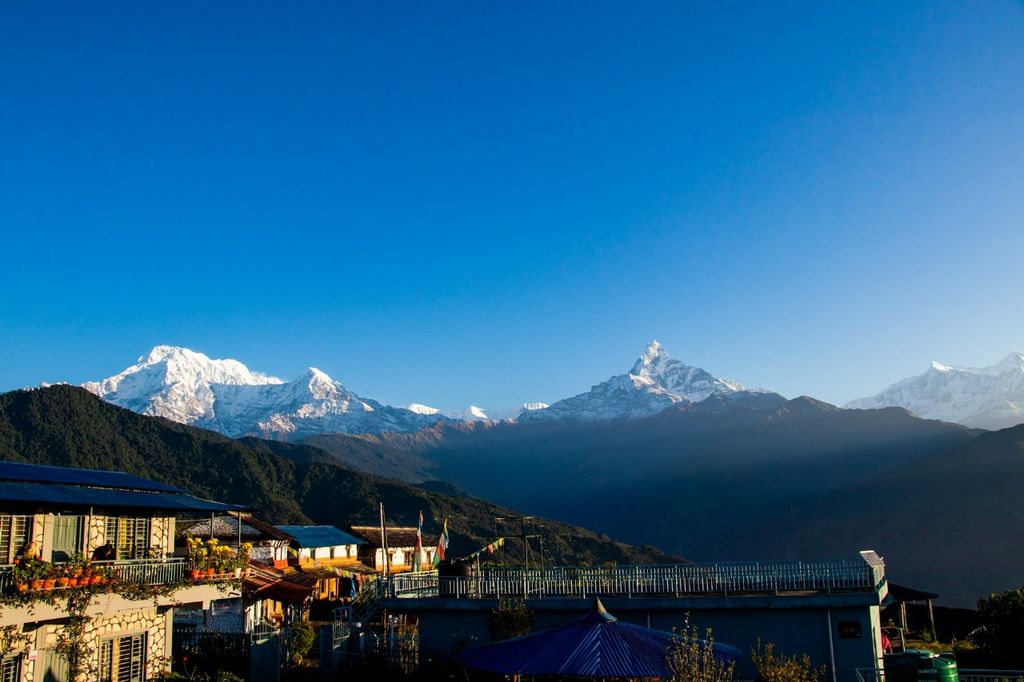
The North Annapurna Base Camp Trek (North ABC) is one of Nepal’s most spectacular yet least-explored Himalayan routes. While thousands of trekkers head to the popular southern base camp each year, few venture north — to where Annapurna I (8,091m) reveals its wild, glacial face and the landscapes remain untouched by mass tourism.
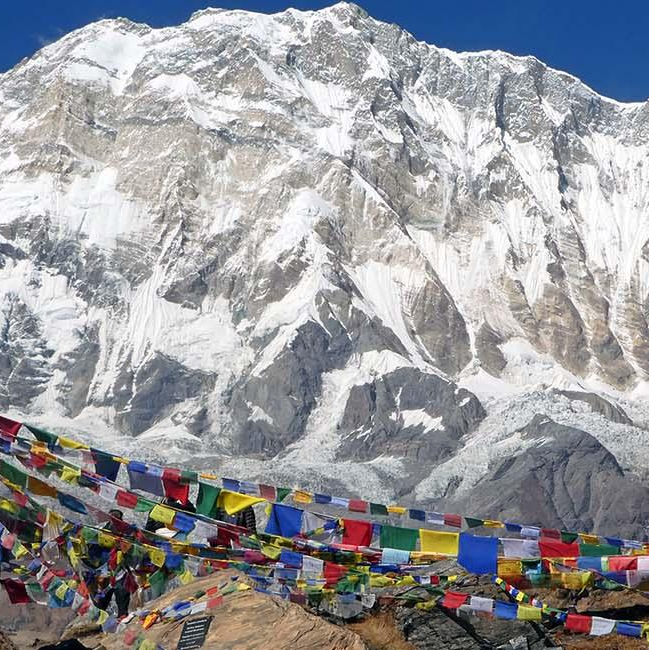
The North Annapurna Base Camp Trek is a 9–10 day remote adventure starting from Narchyang Village in Myagdi District, leading to the north face of Annapurna I. It offers raw beauty, cultural immersion, and solitude rarely found in the Himalayas — ideal for experienced trekkers seeking offbeat trails in 2025 or 2026.
This complete guide covers everything you need to know — from route highlights, difficulty level, and best trekking seasons, to permits, packing lists, and essential safety tips. Whether you’re trekking independently or joining a guided group, this resource will help you plan your ultimate North ABC trek Nepal experience.
What Makes the North ABC Trek Unique
The North Annapurna Base Camp Trek is often described as the “hidden gem” of the Annapurna region. Unlike the classic Annapurna Base Camp trek, which starts from Nayapul and passes through Ghandruk, this northern route begins from Narchyang Village in Myagdi District, following a less-trodden path toward the north face of the mighty Annapurna range.
Here’s what makes it truly special:
- Untouched Trails: You’ll encounter very few trekkers, offering solitude and a pure Himalayan experience.
- Raw Himalayan Scenery: Unlike the southern route, the northern approach provides close-up views of glaciers, moraine fields, and the formidable north face of Annapurna I.
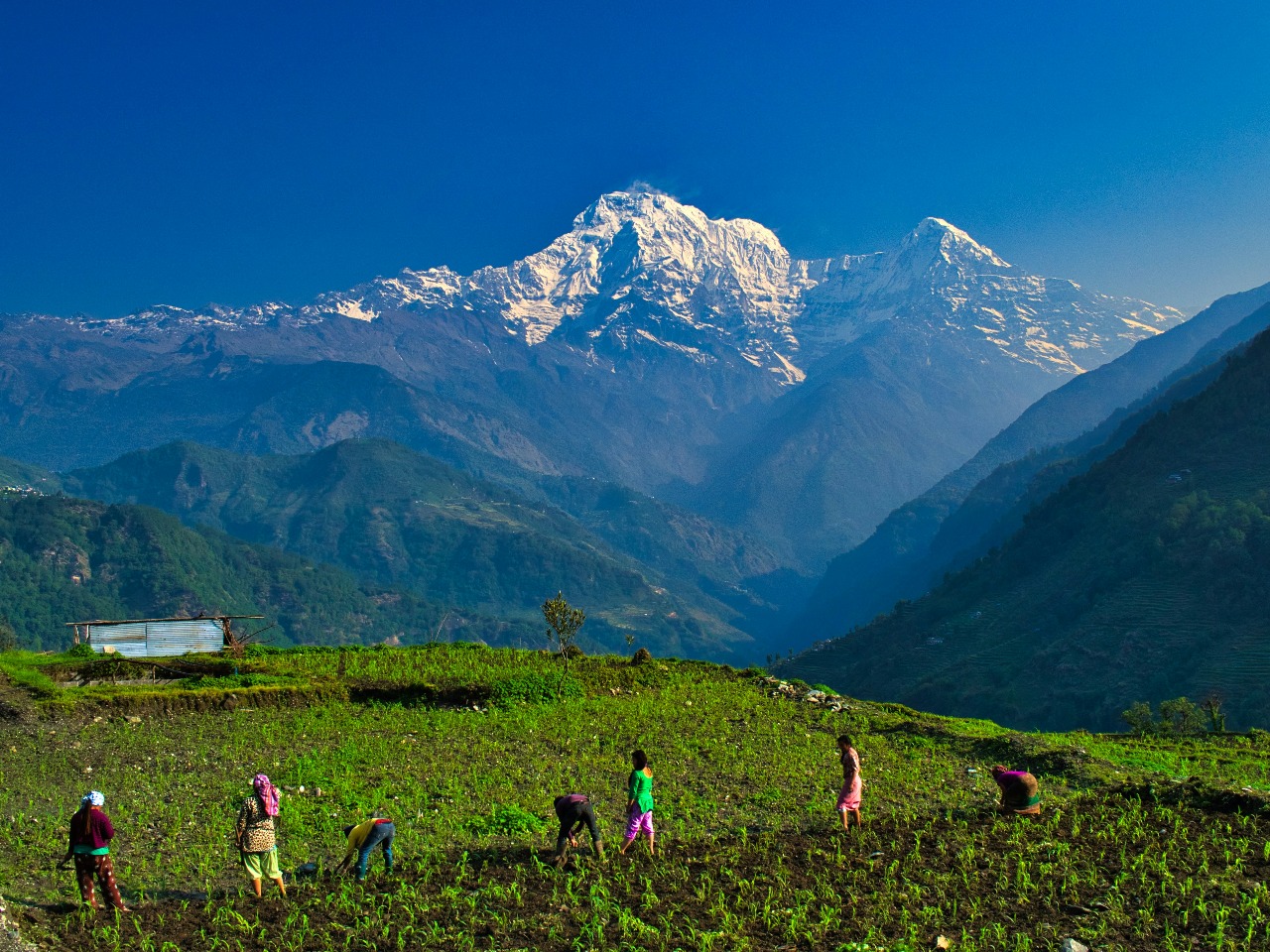
- Cultural Richness: The trail passes through rural Gurung and Magar villages, where traditions remain vibrant and authentic.
- Exploratory Spirit: The North ABC route was only recently opened to trekking, meaning you’re walking in the footsteps of pioneering adventurers.
North ABC vs. Classic Annapurna Base Camp
While both routes lead to the base of the Annapurna massif, their experiences differ significantly.
The classic Annapurna Base Camp trek offers teahouse comfort, established trails, and social camaraderie — making it ideal for first-time trekkers. In contrast, the North ABC trek Nepal is rugged, raw, and remote. It’s best suited for those who crave challenge and authenticity.
- Accessibility: Classic ABC starts from Nayapul (easily accessible), while North ABC requires a drive to Narchyang or Beni.
- Terrain: The southern trail winds through villages and forests; the northern one crosses rocky gorges, glaciers, and alpine meadows.
- Crowds: Expect solitude on the North ABC route versus heavy footfall on the southern trail.
- Experience: North ABC feels more like an expedition than a casual hike — it’s about self-discovery, exploration, and immersion in untouched nature.
If you’ve already completed the standard ABC trek, North Annapurna Base Camp offers a brand-new way to experience the same mountain from a completely different perspective.
Highlights of the North ABC Trek Nepal
Unspoiled Himalayan Views
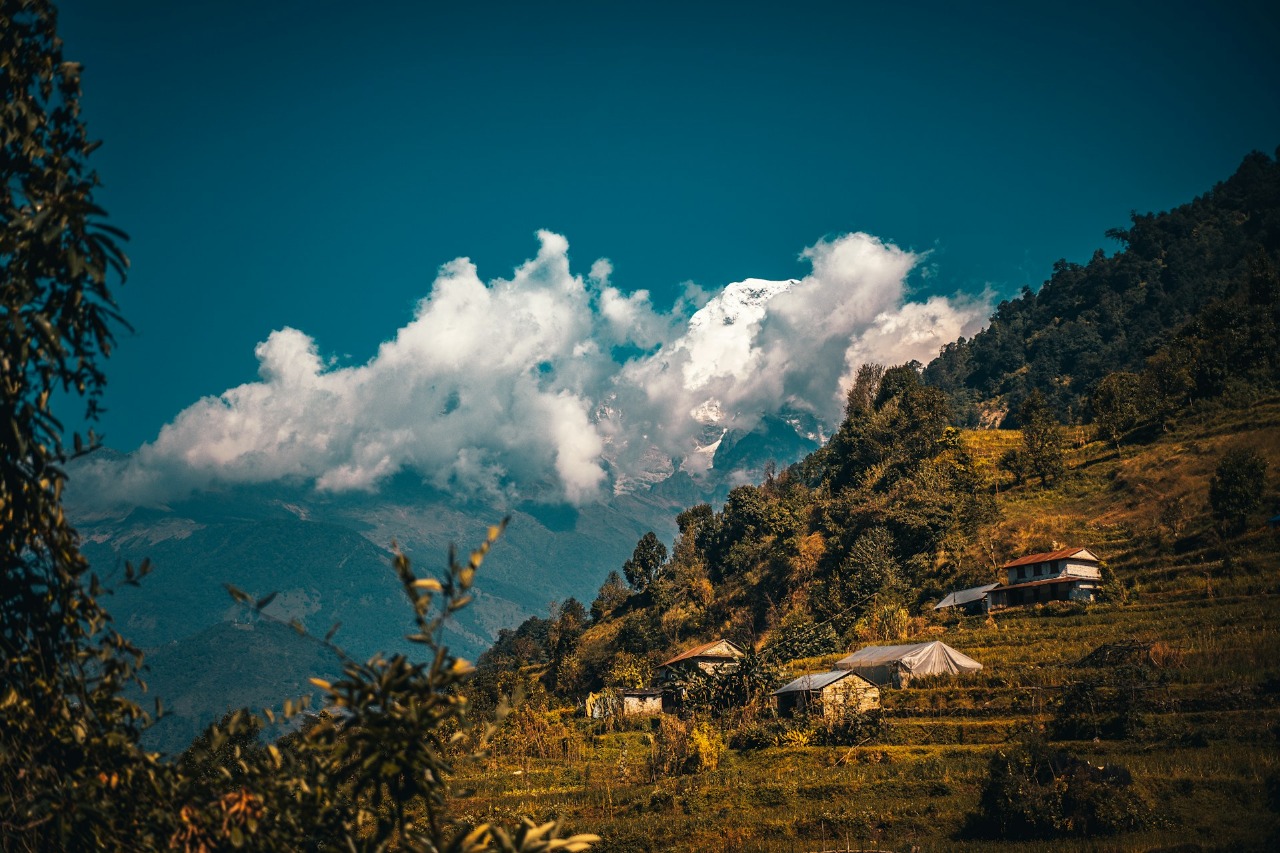
The scenery on the North Annapurna Base Camp trail is unparalleled. Trekkers are rewarded with magnificent vistas of Annapurna I, Nilgiri, Hiunchuli, and Machhapuchhre, among others. The trail follows glacial rivers and ascends to moraine ridges, offering spectacular sunrise and sunset panoramas over the northern ice fields.
Cultural Encounters Along the Trail
The Myagdi Valley and Narchyang region are home to Gurung and Magar communities. Their warm hospitality, traditional stone houses, and vibrant cultural heritage make every village stop memorable. Homestays and local lodges offer authentic Nepalese meals and stories shared by elders who have watched the trekking culture evolve over decades.
Wildlife and Natural Wonders
Because the route is less frequented, it’s rich in biodiversity. You may spot Himalayan thar, musk deer, langurs, and countless bird species. The forests are dense with oak, pine, and rhododendron, giving way to rocky alpine terrain as you approach the base camp.
Route Overview: From Pokhara to North Annapurna Base Camp
The North ABC trek Nepal typically takes 9 to 10 days, depending on pacing and acclimatization. Below is a general outline of the trekking route.
Day 1–3: Pokhara to Narchyang Village
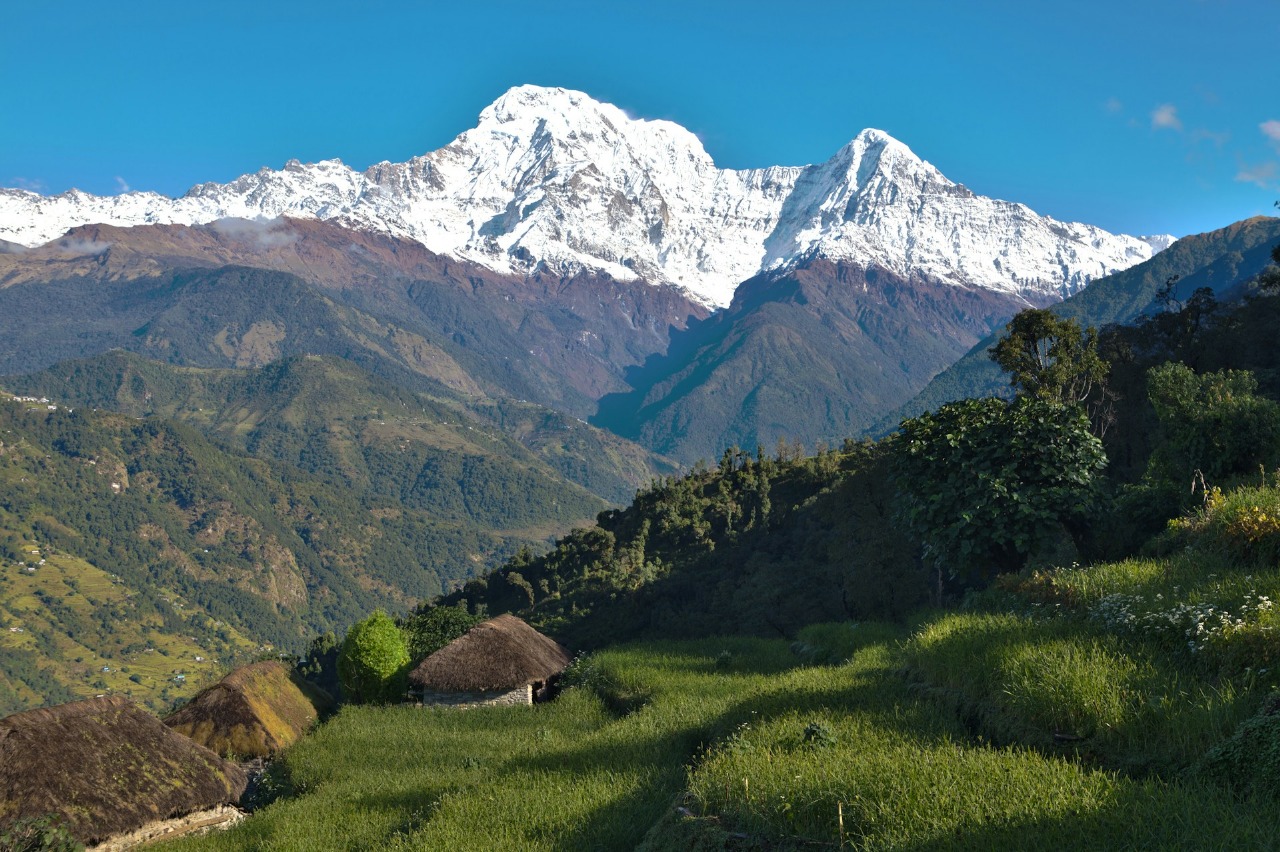
Your journey begins with a scenic drive from Pokhara to Beni and onward to Narchyang, the gateway to North Annapurna. The first few days involve moderate ascents through terraced fields, bamboo forests, and riverside paths, with views of Dhaulagiri and Nilgiri peaks appearing in the distance.
Day 4–6: Narchyang to North Annapurna Base Camp (4,190m)
The trail steepens as you climb toward alpine zones. Crossing suspension bridges and rocky ridges, you’ll gradually leave human settlements behind. Upon reaching Annapurna North Base Camp, trekkers are greeted by the mighty north face of Annapurna I — a jaw-dropping sight of snow, ice, and silence. Nights here are often spent in tents or simple shelters.
Day 7–9: Return Trek and Back to Pokhara
The descent follows the same or an alternate route. On your way back, you can visit natural hot springs near Tatopani — a relaxing reward for your effort. Finally, return to Pokhara, where lakeside cafés and mountain views offer the perfect end to your expedition.
Difficulty Level and Physical Preparation
The North ABC trek is rated moderately difficult to challenging. Unlike the southern route, it demands more endurance due to rougher paths, fewer facilities, and higher altitudes. Trekkers should be in good physical shape and comfortable walking 6–8 hours per day over mixed terrain.
Altitude Considerations and Acclimatization
With a high point at around 4,190 meters, acclimatization is crucial. Take rest days as needed and stay hydrated. Symptoms like headache or nausea shouldn’t be ignored; descend if necessary. Since the area is remote, travel insurance that covers emergency evacuation is essential.
Training Tips Before the Trek
Prepare your body 6–8 weeks before departure.
- Cardio: Hiking, jogging, or cycling improves stamina.
- Strength: Focus on legs, core, and shoulders.
- Practice: Do short hikes carrying a loaded backpack.
The more prepared you are, the more enjoyable the journey becomes.
Best Time for North ABC Trek
The best time for North ABC trek largely depends on what kind of experience you want — from vibrant wildflowers to snow-covered silence. However, because of its remote and high-altitude nature, only two main seasons truly offer ideal conditions: spring (March–May) and autumn (September–November).
Spring (March–May): Bloom and Clarity
Spring is the most picturesque time for the North Annapurna Base Camp trek. As the snow melts and the hills come alive with rhododendron blooms, trekkers are greeted with mild temperatures, crystal-clear mountain views, and longer daylight hours.
The lush forests between Beni and Narchyang transform into a natural wonderland of color, and wildlife is more active. Snow still blankets the higher sections, creating breathtaking contrasts against bright blue skies. Early mornings can be crisp, but daytime trekking is comfortable — perfect for photography and camping.
Spring also brings a renewed sense of life to mountain villages. Farmers are planting crops, herders are leading yaks to higher pastures, and the air carries the scent of blooming alpine flowers. For those seeking both comfort and scenic grandeur, spring 2025 or 2026 is an ideal choice.
Autumn (September–November): Perfect Weather and Festivals
Autumn is considered the best season for North ABC trek. After the summer monsoon washes the dust from the atmosphere, the skies clear and offer some of the sharpest Himalayan views imaginable.
The weather is stable — warm days, cool nights, and minimal rainfall. It’s also festival season in Nepal, with Dashain and Tihar celebrations adding cultural depth to your journey. Villages along the trail become more festive and welcoming, and you might even be invited to share traditional meals or join in local dances.
Autumn 2025 promises particularly favorable conditions, with steady temperatures and minimal climate disturbances. Trekkers who prefer a balance between beauty, comfort, and cultural immersion will find this season unmatched.
Winter (December–February): For the Bold and Peaceful
Winter trekking to the North Annapurna Base Camp is possible but challenging. Heavy snow can block parts of the trail, and temperatures at higher altitudes often drop well below freezing.
However, for seasoned trekkers or photographers seeking solitude, winter offers surreal tranquility. The landscapes turn silver-white, and every sunrise paints the mountains in golden light. Lower sections of the trail remain accessible, and villages like Narchyang are especially quiet, allowing for authentic cultural interactions.
Monsoon (June–August): The Greenest Season
The monsoon brings heavy rain, slippery trails, and reduced visibility. Landslides can occasionally make the route difficult. Yet, it’s also when the hills are at their greenest, rivers thunder with fresh energy, and the forests hum with life.
While not the preferred season, experienced trekkers who love solitude and don’t mind occasional showers can attempt the trek with local guidance. The region’s northern rain-shadow areas, closer to Mustang, can still be dry and rewarding.
Permits and Regulations
Like most treks in the Annapurna region, the North ABC route requires two main permits:
- Annapurna Conservation Area Permit (ACAP):
- Cost: NPR 3,000 per person for foreign nationals.
- Can be obtained in Pokhara or Kathmandu at the Nepal Tourism Board.
- This permit helps fund conservation efforts and trail maintenance.
- Trekkers’ Information Management System (TIMS) Card:
- Cost: NPR 2,000 for independent trekkers, NPR 1,000 if with a registered guide.
- Issued by the Trekking Agencies’ Association of Nepal (TAAN) or authorized agencies.
Because North ABC is more remote and less established, hiring a licensed local guide is strongly recommended. They assist with navigation, safety, and local coordination.
Accommodation and Food Along the North ABC Route
Accommodation along the North Annapurna Base Camp route is improving but still limited compared to the southern trails. Expect a mix of teahouses, homestays, and occasional camping.
Teahouses vs. Camping Experience
- Teahouses: Found mainly in lower villages like Narchyang and Tatopani. They offer basic rooms with twin beds, shared bathrooms, and hearty home-cooked meals (dal bhat, noodles, and tea).
- Camping: Necessary near the base camp due to lack of permanent lodges. Tents, sleeping mats, and portable stoves are essential. Local agencies can provide full camping setups with porters and cooks.
Food is simple but satisfying. Expect fresh vegetables, rice, lentils, noodles, and sometimes yak cheese or eggs. Always drink boiled or purified water. Carry energy bars and snacks for high-altitude days where facilities are sparse.
Packing List and Trekking Gear Essentials
Your packing should adapt to Nepal’s changing climates. Since the North ABC route involves both warm lower valleys and cold alpine terrain, layering is key.
Clothing
- Quick-dry trekking shirts and pants
- Thermal innerwear (for nights above 3,000m)
- Insulating fleece or down jacket
- Windproof and waterproof shell jacket
- Trekking socks and gloves
- Warm beanie or hat
- Lightweight trekking shoes and sturdy boots
Equipment
- Trekking poles (essential for steep descents)
- Sleeping bag (rated -10°C or below)
- Reusable water bottle with filter tablets
- Headlamp with spare batteries
- Portable solar charger or power bank
- Lightweight tent and sleeping mat (for camping sections)
Health and Safety Essentials
- First-aid kit with basic medicines
- Sunscreen, lip balm, and sunglasses
- Diamox (for altitude sickness, consult your doctor)
- Water purification tablets
Remember, the lighter your backpack, the more enjoyable your journey. If you hire porters, keep their load under 20–25kg total.
Travel Logistics: How to Reach the Trailhead
Your adventure begins in Pokhara, the gateway to the Annapurna region.
- Kathmandu to Pokhara:
You can fly (25 minutes) or drive (6–8 hours) via Prithvi Highway. - Pokhara to Beni or Narchyang:
A 4WD jeep ride takes 5–6 hours along rough mountain roads. Many trekkers stay overnight in Beni before starting the trek. - Trek Start:
The trail officially begins at Narchyang Village, a serene settlement on the banks of the Myagdi River. From here, the real journey into the wilderness begins.
For independent travelers, it’s best to arrange transport and guides in Pokhara, where trekking agencies specialize in remote Annapurna routes.
Alternative Treks Near North ABC
If you have extra days or want to explore nearby regions, several spectacular options surround the North Annapurna area:
- Dhaulagiri Circuit Trek: A demanding loop around one of the world’s highest mountains.
- Khopra Ridge Trek: Offers similar panoramic views of Annapurna and Dhaulagiri with easier trails.
- Classic Annapurna Base Camp Trek: The southern counterpart to North ABC — perfect if you want a contrast between the two sides of the massif.
Combining the North and South ABC routes is possible for experienced trekkers, creating a once-in-a-lifetime traverse across the entire Annapurna range.
Photography and Scenic Viewpoints
The North ABC trek is a dream for photographers. Every day offers new compositions — from misty forests to crystalline glaciers.
Top photo spots include:
- Narchyang Suspension Bridge: Dramatic view over the Myagdi River gorge.
- Alpine Ridge above North ABC: Sunrise reflections on the Annapurna Icefall.
- Tatopani Hot Springs: Perfect for sunset shots of golden light across the valley.
- Base Camp Viewpoint: Panoramic 360° views of Annapurna I, Nilgiri, and Machhapuchhre.
For astrophotography, clear nights at high altitude reveal millions of stars scattered across the sky, untouched by urban light pollution.
Responsible Trekking and Local Etiquette
Preserving the fragile mountain ecosystem is vital. Always follow Leave No Trace principles:
- Carry out all trash, including batteries and plastics.
- Stay on marked trails to avoid erosion.
- Avoid single-use bottles — refill your own.
- Dress modestly and respect local religious sites and customs.
Supporting local businesses ensures your journey benefits the communities that make it possible. Stay in locally run lodges and buy handicrafts directly from villagers.
Estimated Budget for North ABC Trek 2025/2026
While costs vary by group size and trekking style, here’s a rough estimate (in USD):
- Permits (ACAP + TIMS): $40–50
- Guide & Porter (per day): $30–40
- Accommodation & Meals (per day): $25–35
- Transportation (Pokhara–Narchyang–return): $50–80
- Miscellaneous (snacks, tips, extra gear): $50–70
Total Estimated Budget: $700–900 per person for 10 days.
Camping treks or private groups may cost slightly more, while joining a guided group can reduce expenses.
Safety Tips and Emergency Contacts
- Always check local weather forecasts before departure.
- Carry a satellite phone or GPS tracker if trekking independently.
- Travel insurance that covers helicopter evacuation is mandatory.
- In case of emergencies, contact:
- Pokhara Rescue Coordination Center: +977-61-521347
- Nepal Tourism Board (Kathmandu): +977-1-4256909
Local lodges and guides are well-connected and can arrange evacuation if necessary.
Conclusion: Why North ABC Should Be on Your 2025/2026 Bucket List
The North Annapurna Base Camp Trek is more than just a trail — it’s an expedition into the heart of the Himalayas, where the wild remains untamed, and every step reveals a new layer of natural and cultural wonder.
Whether you’re drawn by the raw beauty of glaciers, the authenticity of remote villages, or the solitude that only untouched mountains can offer, the North ABC trek Nepal delivers all of it in one unforgettable journey.
With proper preparation, respect for nature, and a curious spirit, this trek promises the adventure of a lifetime — one that few have yet experienced. So as 2025 and 2026 approach, lace up your boots, pack your gear, and set your sights north — to the hidden face of Annapurna.
FAQs – North Annapurna Base Camp Trek 2025/26
What is the altitude of North Annapurna Base Camp?
ANS:: The North Annapurna Base Camp sits at around 4,190 meters (13,747 ft) above sea level, offering close-up views of Annapurna I, Nilgiri, and Machhapuchhre. Proper acclimatization is essential due to the high altitude.
How long is the North ABC trek itinerary?
ANS:: The trek usually takes 9–10 days from Pokhara to Pokhara, depending on pacing and rest days. The route passes through Narchyang Village, alpine meadows, and glacial valleys before reaching base camp.
How difficult is the North Annapurna Base Camp Trek?
ANS:: It’s rated moderate to challenging. The trail includes steep ascents, rocky paths, and limited facilities compared to the classic ABC trek. Strong fitness, prior hiking experience, and good preparation are recommended.
What is the best time for the North ABC trek in 2025/2026?
ANS:: The best seasons are spring (March–May) and autumn (September–November). These months offer clear skies, stable weather, and spectacular views — perfect for photography and high-altitude trekking.
Recent Articles

Best trek during Dashain and Tihar 2025
Sep 23, 2025